Episode 9: Social Engineering — When Deception Is the Biggest Threat
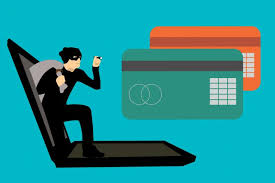
Welcome to another episode of FamilyCyber.ie — where we share simple digital safety habits and online privacy tips for those of us who want to make life harder for the digital Voldemorts out there.
🟢 This episode is based on the original Spanish version of CiberseguridadParaFamilias.com. It’s been translated using AI so more people can access these tips in English.
💡 What Is Social Engineering?
Social engineering is the art of tricking people into giving away confidential information or performing harmful actions—without them even realizing it.
Rather than hacking systems, attackers manipulate individuals to share passwords, banking info, personal data, and more.
Real example:
A scammer doesn’t need to decrypt your password—they just convince you to enter it on a fake website or speak it over the phone.
🧠 Why It’s So Effective
- Attackers exploit basic human emotions: urgency, trust, fear, curiosity
- They disguise scams as everyday interactions
- They impersonate people or institutions we believe in
🎭 Common Social Engineering Tactics
Phishing (Fake emails or messages)
Example: A fraudulent email from your bank asks you to “verify your account.”
Tip: Don’t click links. Type the official URL manually into your browser.
Vishing (Phone call scams)
Example: A “tech support” caller claims your PC has a virus and asks for remote access.
Tip: Don’t share personal info by phone. Hang up and call the official number yourself.
Smishing (SMS scams)
Example: “Your package is delayed. Click here to pay customs fees.”
Tip: Don’t click text links. If you’re expecting something, check directly via the shipper’s site.
Baiting
Example: A USB labeled “Payroll 2024” is found in a public area.
Tip: Never plug unknown devices into your computer or open suspicious files.
Pretexting
Example: A caller claiming to be from Social Security asks for your bank details for a “refund.”
Tip: Never provide personal info without verifying the caller’s identity. Call institutions using trusted numbers.
💀 Real-World Social Engineering Cases
- A single email click — An employee transferred thousands after opening a fake boss’s invoice.
- Fake bank call — A victim shared account info and lost their funds.
- Infected USB — A found USB installed spyware that stole company data.
✅ How to Protect Yourself
- Be suspicious of urgent or unusual messages
- Don’t click on links unless you verify them yourself
- Never share personal or financial data by phone or message
- Avoid opening attachments from untrusted sources
- Use strong, unique passwords plus two-factor authentication (2FA)
- If it seems too good to be true, it probably is
- Gold rule: Always check with someone you trust before taking action
💬 Final Thought
Hackers often don’t need code—they just need deception. But the good news is: knowledge is your strongest defense.
Think critically. Verify. Don’t act on emotion.
That’s how you protect yourself—from any trick.
📌 This has been another episode of FamilyCyber.ie — where we share simple digital safety habits and online privacy tips for those of us who want to make life harder for the digital Voldemorts out there.